Deadlynoiz “Rock the House”: Why Are People Calling It Bass House?
When a new dance track starts moving through playlists, social posts, and club conversations, genre labels can spread almost as quickly as the music. That seems to be the case with “Rock the House” by Deadlynoiz: listeners are asking why people are calling it bass house, and whether that label describes the track—or just the mood it suggests.
The short answer is that “bass house” is often used for house music where a prominent, weighty bass sound takes the lead. But a title, a tag, or a passing mention on a music page is not enough to confirm the exact genre of a particular recording. To assess deadlynoiz rock the house carefully, you need to hear the track and check reliable release information rather than infer its sound from a page headline alone.
That distinction matters in an EDM news cycle built around fast updates. A new EDM track can appear in a weekly roundup, get reposted with a genre tag, and then be described by that tag everywhere else—even when the original source offered little detail. Here’s how to think about the bass house label, what to verify about “Rock the House,” and how editors can cover fast-moving releases without turning a guess into a fact.
What Does “Bass House” Mean?
Bass house is a branch of house music that puts extra emphasis on a bold, low-end groove. Its kick drum and bass line tend to be central to the track’s identity, while house rhythms keep the music rooted david guetta monolith tour tickets in a steady, dancefloor-friendly pulse. Producers may use distorted, rubbery, growling, or otherwise highly processed bass sounds, but no single sound is required for a track to qualify.
Genre labels are useful shorthand, not scientific classifications. House has always absorbed sounds from neighboring styles, and bass house can overlap with tech house, UK bass, electro house, and other club genres. Two listeners may hear the same track and choose different labels because one focuses on the groove, another on the sound design, and a third on how the record works in a DJ set.
Clues listeners can check
- The bass is a defining feature: It does more than quietly support the chords; it shapes the hook, energy, or drop.
- The rhythm still feels house-oriented: A consistent four-on-the-floor kick or house-derived groove is a common clue.
- The arrangement is built for club momentum: Breaks, builds, drops, and repeated motifs may help a DJ mix the track into a set.
- The label fits the whole track: One heavy bass sound by itself does not settle the question if the rhythm and arrangement point elsewhere.
These are listening cues, not a pass-or-fail checklist. A track can be bass-heavy without being bass house, and a bass house record may borrow elements from other styles. The fairest description is usually the one that reflects the complete recording, with room for crossover when the evidence supports it.
Why Might People Call “Rock the House” Bass House?
Without dependable audio access or a verified release page in front of us, it would be a mistake to claim that “Rock the House” has a particular drop, bass patch, tempo, label, release date, or production credit. The title alone cannot establish any of those details. If listeners are calling it bass house, the label may come from what they hear, how a distributor or platform categorizes it, or the context in which it is being shared.
For a listener, the most useful question is not simply, “Does it have bass?” Nearly all modern club music has a low end. Instead, ask whether the bass sound and house groove are the main musical identity. If the track’s most memorable element is a forceful https://highstylife.com/what-is-tapetodisk-and-where-can-you-buy-its-vinyl/ bass-led hook over a house pulse, bass house may be a reasonable shorthand. If the bass is one ingredient in a broader arrangement, a more general description such as “house” or “bass-driven electronic music” may be safer.
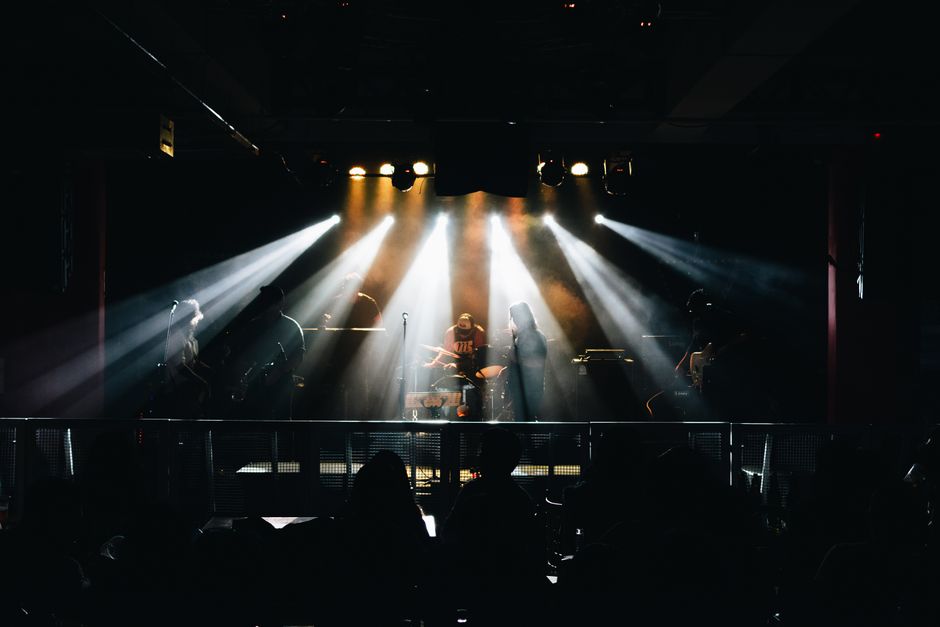
There’s also a social side to genre naming. DJs, listeners, playlist curators, and promoters use tags to signal where a track might fit. A bass house label can tell a club-goer what kind of energy to expect, even if another listener would choose a neighboring genre. That practical use helps explain why a label can catch on before there is a detailed review or official artist description to confirm it.
Check the Source Before Repeating the Tag
One common editorial problem is that the scraped page content looks like a homepage or feed capture rather than the specific article body for the target URL. A crawler may collect navigation links, trending posts, category listings, related headlines, or a site-wide introduction instead of the text of the intended story. Those fragments can make a page look as though it contains information about a track when the actual article body is missing—or can mix details from several unrelated posts.
That is especially risky for fast-turnaround EDM news. A feed card may show a headline and a category label but not the reporting behind them. A snippet might mention another artist or release nearby, and a scrape can accidentally combine that material with “Rock the House.” Before publishing a claim about the track, confirm that the source is the specific article page, not merely the website’s homepage or a category archive.
A quick verification checklist
- Open the target URL directly. Check that the headline and article body match the story you intend to reference.
- Find the primary release source. Look for an official artist or label post, a distributor listing, or a verified streaming release page.
- Match the basic metadata. Confirm the artist spelling, track title, release date, and available credits across reliable sources.
- Listen to the recording. Use the track itself—not a page title or search snippet—to support musical descriptions.
- Separate fact from interpretation. Attribute a platform or artist genre tag, and present your own genre assessment as an assessment.
If the page cannot be verified, say so plainly. “Listeners are describing it as bass house” is different from “the artist confirmed it is bass house.” That small distinction protects readers from treating online shorthand as official information.
How EDM News and Weekly Roundups Keep Moving
Dance music coverage moves on several clocks at once. An announcement may break in the morning, a track may land on streaming services at midnight, and a festival lineup update may appear while fans are still planning travel for a different weekend. Good EDM news coverage is fast, but speed should not outrun accuracy.
Weekly new-music roundups are a useful format because they give readers a regular place to find releases across scenes and subgenres. A “New EDM Friday” post might group new singles, EPs, remixes, and albums into a concise listening guide. In that setting, a potential new EDM track like “Rock the House” should get a clean listing only once its release and artist details are confirmed. If the genre remains uncertain, editors can describe the listening impression without presenting it as settled fact.
A Spotify playlist embed can make a roundup easier to use: readers can listen without leaving the article, then continue through the rest of the selection. The New Music Friday Spotify Playlist is a natural reference point for that workflow, but an editor should verify the playlist’s current name, owner, and contents before embedding it. Playlist availability and track inclusion can change, so an embed should support the story rather than serve as proof of a release date or genre.
For sites covering several strands of dance music, WordPress-style category blocks and pagination can keep weekly coverage navigable. Category blocks might separate new releases, festival news, club listings, interviews, and reviews. Pagination helps readers move between older roundup installments without one enormous page becoming difficult to browse. These are publishing tools, not evidence: a category label such as “Bass House” is a site’s organizational choice and should not be mistaken for an artist’s official genre statement.
Festival Lineup Phases: Announcements, Adds, and Timing
Festival lineups commonly arrive in phases. A first announcement may establish the event’s headline acts, while later drops add stage hosts, local artists, afterparties, or schedule details. Some festivals publish the full lineup at once; others build anticipation through separate announcements. Fans should check the event’s official channels, because reposted graphics and early rumors can leave out important changes.
For editors, each phase deserves its own date and context. A headline saying “the lineup is here” can become misleading if the post actually concerns one stage or one round of additions. Record the announcement date, festival location, event dates, and whether the information is a first wave, a final lineup, or a schedule update. Spell artist names carefully, especially when a lineup graphic uses stylized lettering.
Genre language can help readers navigate a bill, but it should not flatten an artist’s sound. A bass house artist may appear alongside techno, house, drum and bass, or pop acts at the same festival. That mix is part of the appeal: festivals often program for contrast, discovery, and crowd flow rather than strict genre separation.
Event Planning and Ticket Timing
Festival announcements also set off a practical planning window. Fans may need to compare travel costs, accommodation, work schedules, and ticket tiers before deciding whether to attend. Presales can sell quickly, but urgency in a promotional post is not a substitute for checking the official ticket page. Confirm when sales open, what the listed price includes, whether fees are added at checkout, and whether the ticket is valid for the dates you expect.
- Track announcement phases: A lineup reveal and a ticket-sale date may be separate updates.
- Use official event links: Confirm venue, dates, age requirements, and entry terms with the organizer.
- Compare ticket tiers: Check what changes between general admission, VIP, camping, or other options.
- Plan around the schedule: Set times can change, and day-specific tickets may cover only part of a festival.
- Keep confirmation details: Save order records and review the event’s policies before traveling.
These habits matter for club nights, too. A venue listing, promoter announcement, and ticketing page may not update at the same time. If a local event is tied to a new release or a touring artist, verify the date and venue before sharing it. Readers usually appreciate a slightly slower, accurate update more than an instant post with the wrong location.
Privacy and the Listening Experience
Embedded players make music coverage convenient, but they can also involve third-party services and tracking technologies. Sites that embed Spotify content should make their privacy practices clear and follow applicable consent requirements. CookieDatabase (cookiedatabase.org) is one resource publishers may consult when researching cookie names and purposes; it is not a substitute for reviewing a site’s own implementation, current policies, or legal obligations.
Editors should test embeds on desktop and mobile, explain when a player may load external content, and offer a direct listening link when possible. A reader who cannot use an embed should still be able to find the track through a clear artist-and-title link. As with genre claims, transparent sourcing makes the experience more useful.
The Bottom Line on “Deadlynoiz Rock the House”
People may call “Rock the House” bass house because they hear a bass-forward sound over a house-oriented groove, because a platform or curator uses that tag, or simply because the label captures the track’s club energy. But without verified audio and release information, the responsible move is not to invent sonic details or declare the genre official. Treat “bass house” as a description to investigate, not a fact established by a headline.

That approach works across EDM coverage: verify the specific source rather than relying on a homepage scrape, distinguish official information from listener interpretation, and keep weekly roundups, festival announcements, and ticket updates precise. Whether readers discover the track through a New Music Friday Spotify Playlist embed or an EDM House Network roundup, clear context helps them decide what to listen to—and what to expect when they hear it in a set.