Why Do I Feel Like I Need to Be Doing Something, Not Just Watching?
Ever settled in for a movie or a favorite TV show on your streaming service, only to find yourself fidgeting, checking your phone, or grabbing a snack every ten minutes? You're not alone in this feeling. Despite the convenience of streaming services and the ease of having hundreds of titles at our fingertips, many of us experience a nagging sense that simply watching isn’t quite enough. But why exactly do we feel this need for interaction—this itch for active engagement—even while indulging in passive entertainment?
Passive Viewing vs. Active Participation: What’s the Difference?
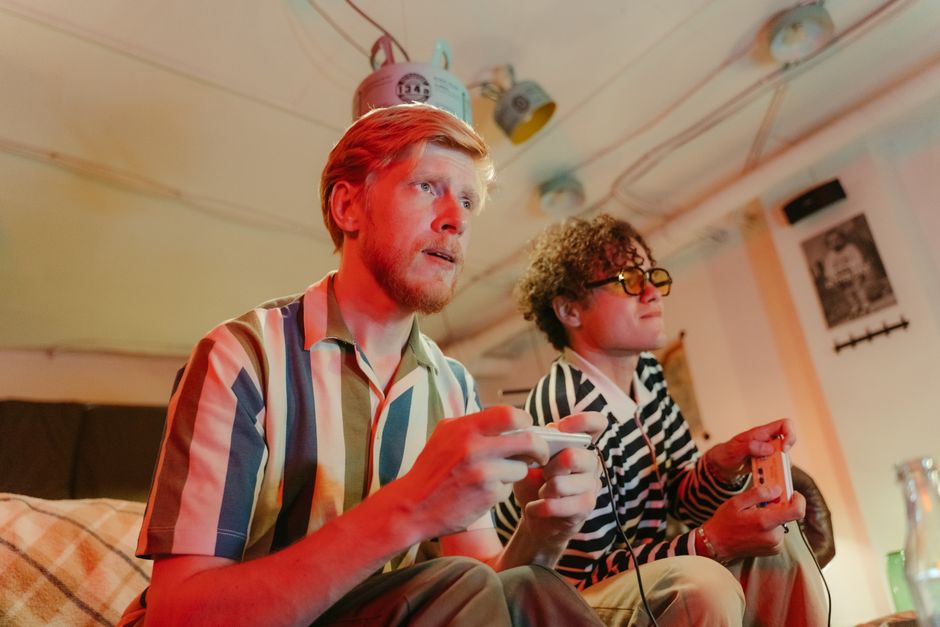
Traditional TV and movie watching have long been categorized as passive activities. You sit back, absorb content, and let the story or spectacle wash over you. Compare this with gaming, social media, or puzzle apps on mobile devices, which demand your input, decision-making, or problem-solving skills. The contrast between these modes of engagement has never been more apparent than it is today.
The human brain craves interaction. When we’re fully engrossed in a game or a conversation, we’re active participants in an experience. But when our eyes are glued to a screen with no opportunity or demand to contribute, a restlessness often kicks in. Why?
The Need for Interaction Is Wired In
We are social creatures, evolved to engage, react, and influence our environment, not just observe it. Passive viewing allows us to relax and recharge, but it can also trigger a sensation of detachment or boredom if extended without interruption or variation.
- Passive Viewing: You are absorbing information without immediate feedback or action.
- Active Participation: Your decisions and actions affect what happens next, creating a loop of interaction.
Modern entertainment often blurs these lines. For example, interactive storytelling apps and “choose your own adventure” formats offer a middle ground. But many mainstream viewers still find themselves searching for more active outlets when simply watching shows or movies.
Mix-and-Match Entertainment Evenings: The Best of Both Worlds
One trend I've noticed—both in conversations at film club and my own “what we watched after dinner” notes—is how audiences mix different types of entertainment on a single evening to satisfy varying urges.
Here’s an example lineup:
- Start with 30 minutes of a casual mobile game that requires short bursts of focus.
- Switch to watching an episode of a favorite streaming series.
- Take a break to discuss plot twists or characters with friends or family.
- End with a co-op game played on mobile devices or consoles.
This kind of hybrid evening balances passive enjoyment with active engagement, providing a richer, more satisfying entertainment palette. The ability to mix and match formats means you can tailor experiences to your mood and energy level, something that’s harder to do with one medium alone.
How Streaming Services Facilitate This Flexibility
The proliferation of streaming platforms like Netflix, Hulu, Disney+, and others offers unprecedented choice and convenience. Pause, rewind, binge, or skip—viewers are in complete control. However, this freedom can lead to a phenomenon known as choice overload, which paradoxically makes picking what to watch feel more stressful than enjoyable.
This is where active participation or switching to other platforms can help. Instead of staring down a massive library, toggling back and forth between mediums—say, streaming a show while intermittently scrolling through social media or playing a light game on your mobile device—helps keep your brain wired and engaged.
Platform Switching and Attention: A Double-Edged Sword
While the ability to juggle multiple screens and apps allows us to meet that need for interaction, it also fragments attention. Constantly switching between content and devices may reduce how deeply we connect with any single narrative.

Many people lament that “binge-watching” has lost its magic or that they can’t stay focused on a single movie or series episode anymore. Perhaps it’s not a failing of the medium but a natural response to our packed, hyperconnected lives.
- Pros of platform switching: Keeps engagement high, satisfies need for interaction, combats boredom.
- Cons: Can dilute narrative absorption, encourage superficial engagement, and increase mental fatigue.
Finding a balance is key. Use streaming services to enjoy rich storytelling, but don’t hesitate to sprinkle in interactive breaks through touch-screen games, trivia apps, or social check-ins.
Streaming Convenience Meets Choice Overload
If you remember the days when video stores were the norm, the humbling shift to streaming is remarkable for its convenience, but also intimidating for overwhelming options. This overload makes passive watching feel more like a chore at times, nudging viewers toward multitasking or seeking interaction elsewhere.
In practice, this means your typical evening entertainment isn’t about just one activity anymore. It’s a fluid ritual that might include:
- Opening a streaming app and warming up with some ambient series or a documentary.
- Switching to your phone for a brain teaser or quick game session.
- Chatting with friends on messaging apps about what you just watched.
- Jumping back to streaming for the next episode while sipping a drink.
The technology tools—smartphones, tablets, streaming devices—enable this new entertainment dance. But importantly, they also underscore how the need for interaction and active engagement remain central to our enjoyment.
Interactive Mechanics: What Could Future Entertainment Look Like?
While this post focuses on why you might feel restless simply “watching,” it’s worth mentioning how streaming platforms and content creators are experimenting with interactive mechanics right inside their apps.
Interactive films like Netflix’s Black Mirror: Bandersnatch or trivia shows where viewers can play along live hint at the future of blended entertainment—where passive viewing and active interaction coexist. These hybrids tap directly into that desire not just to consume but to influence and participate.
But even without elaborate interactive content, mixing your personal entertainment with games, apps, and social engagement achieves a similar effect: keeping your brain engaged in a way that pure watching doesn’t always satisfy.
Takeaways: Embrace Your Need for Doing Something
To wrap up, if you often feel like you need to be doing something rather than just watching, it’s a perfectly valid reaction rooted in how our brains work and how entertainment has evolved in the digital age. Streaming services nickrise.com provide an abundance of passive content, but your mobile device and interactive apps offer chances for that crucial engagement.
Comparison: Passive Viewing vs. Active Interaction Aspect Passive Viewing Active Interaction Role of User Observer Participant/Player Engagement Level Low to moderate High Mental Effort Minimal Conscious decision-making Typical Mediums Movies, TV shows, documentaries Video games, interactive apps, social media Effect on Entertainment Experience Relaxing but can feel monotonous Stimulating but can fatigue if prolongedThe most satisfying nights in front of screens may well be those that let you blend the two, switching between streaming shows and moments of interaction on your mobile device or with friends. After all, entertainment is at its best when it respects the full range of what we need—not just to watch, but to do.